
Deli Ingredients Demystified
By Waterfront Gourmet · 8/18/2026
Deli Ingredients Demystified: What's Actually in Your Catered Spread
The best deli catering comes down to one thing: quality ingredients that people can actually identify. When you're ordering deli catering services in Philadelphia, knowing what goes into your spread helps you ask the right questions, make smarter choices for dietary needs, and recognize the difference between a caterer cutting corners and one delivering real value.
Whether it's a breakfast meeting in Center City or a corporate lunch for 200 people, every item on a deli tray has a story behind it. Here's what you need to know about the ingredients that make or break a great deli spread.
The Meats: Where Most of the Budget Goes
Deli meats are the centerpiece of any tray, and they vary wildly in quality. Here's a straightforward breakdown of what you'll typically encounter when ordering from Philadelphia catering companies:
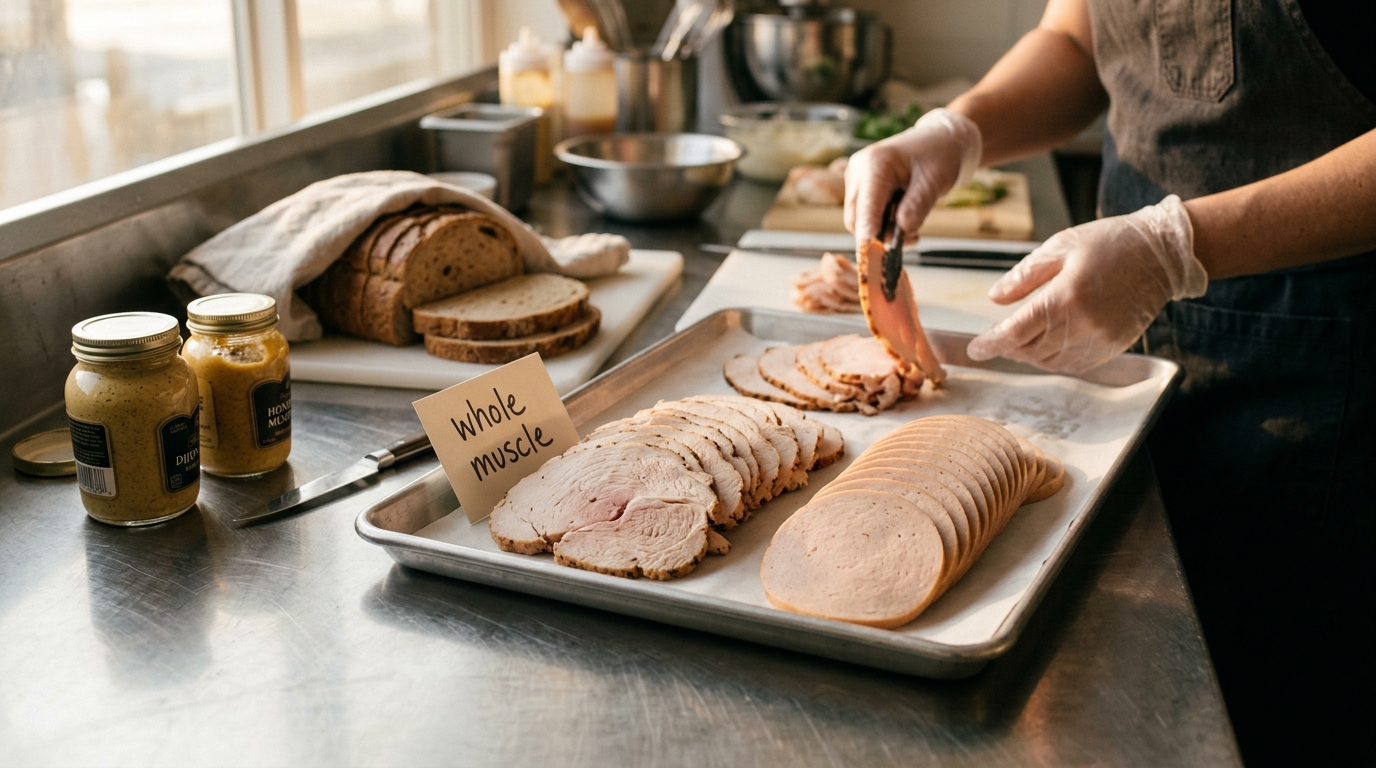
- Roast Beef: True roast beef is cooked whole from a round or top sirloin cut, then sliced thin. Processed "formed" roast beef is made from beef pieces bound together - it's cheaper, denser, and less flavorful. Ask whether the meat is whole-muscle or formed.
- Turkey Breast: Same distinction applies. Whole-muscle turkey has visible grain and a natural texture. Processed turkey can contain up to 30% water by weight, which dilutes flavor and adds sodium.
- Corned Beef: A Philly deli staple. Quality corned beef is brined from brisket for days - not hours. The seasoning should penetrate the full cut, not just the outer layer.
- Pastrami: Smoked after brining, pastrami should have a visible pepper and coriander crust with a deep mahogany color. Pale pastrami is undersmoked.
- Ham: "Honey ham" on most trays is processed. Genuine Black Forest or uncured ham contains no nitrates and has a more complex, less sweet flavor profile.
- Salami and Cured Sausages: Look for natural casings and visible fat marbling. Artificially colored salami is usually a sign of lower-grade meat.
The Cheeses: More Than Just Filler
Cheese gets treated as an afterthought in a lot of catering for businesses in Center City Philadelphia, but it shouldn't be. The right cheese pairing elevates every sandwich and adds protein diversity for guests who may not eat meat.
- Provolone: Sharp provolone is aged longer and has a tangy bite. Mild provolone is younger and creamier - fine for sandwiches, but less interesting on a standalone cheese tray.
- Swiss: Real Swiss (Emmental) has large holes and a nutty flavor. "Swiss-style" American cheese is a flat imitation. Easy to spot: real Swiss is pale yellow, not bright yellow.
- Pepper Jack: A crowd favorite for heat. Check that it contains real jalapeño or habanero pieces, not just "natural flavors."
- Cheddar: White cheddar is uncolored and often sharper. Orange cheddar gets its color from annatto dye - not a quality indicator either way, but worth knowing.
- Fresh Mozzarella: High-moisture fresh mozzarella is increasingly popular on upscale deli trays. It's soft, milky, and pairs beautifully with roasted vegetables and basil.
Breads and Rolls: The Structural Foundation
A great sandwich ingredient lineup can be ruined by inferior bread. For breakfast catering in Philadelphia and lunch spreads alike, bread selection signals how much a caterer cares about the full experience.
- Soft rolls: Ideal for large groups - easy to handle, minimal mess, works with most fillings.
- Ciabatta: Open crumb structure holds condiments well but can be chewy. Better for sit-down settings than walk-and-eat events.
- Rye: Traditional pairing with corned beef and pastrami. Seeded rye has caraway for a stronger flavor profile.
- Sourdough: Naturally fermented sourdough has a longer shelf life than commercial bread and holds up better on catering trays sitting out for an hour or more.
- Gluten-free options: Any serious Philadelphia catering company should offer at least one gluten-free bread option for dietary accommodation. Always ask ahead.
Condiments and Spreads: The Details That Define Quality
Condiments are where caterers either show their hand or hide behind generic squeeze bottles. Here's the honest breakdown:
- Mustard: Whole-grain mustard, spicy brown, and Dijon are all qualitatively different products. "Yellow mustard" is fine for casual events; anything upscale should offer at least two mustard varieties.
- Mayonnaise: Duke's and Hellmann's are the industry standards. House-made aioli elevates a premium tray significantly - it's emulsified with olive oil and fresh garlic, not vegetable oil and powder.
- Horseradish: Prepared horseradish loses pungency quickly once opened. Fresh-grated is noticeably sharper. Ask whether it's grated in-house or from a commercial jar.
- Hummus: A great plant-based spread option. Quality hummus is made from dried chickpeas soaked overnight, not canned. The texture is smoother and the flavor is cleaner.
- Pesto: Real basil pesto contains pine nuts, Parmesan, and fresh basil - not spinach filler or artificial color. Bright green color that doesn't oxidize quickly is a good quality indicator.
The Extras: Pickles, Olives, and Produce
The supporting cast on a deli tray matters more than most people realize. These items balance the richness of meats and cheeses and add textural contrast.
- Pickles: Half-sour pickles are fermented, not vinegar-brined. They have a crunchier texture and more complex flavor. Full-sour pickles are fully fermented and more intensely tangy.
- Olives: Castelvetrano olives are buttery and mild - a better choice for guests unfamiliar with stronger varieties like Kalamata. Mixed olive spreads should include at least three varieties to be worth offering.
- Tomatoes: Tomatoes on deli trays are often an afterthought, but Roma tomatoes hold their structure better than beefsteak when sliced thin for service.
- Roasted peppers: Fire-roasted red peppers add sweetness and color. Pre-jarred is common; house-roasted is a premium detail that's easy to detect by texture and char marks.
- Lettuce and greens: Iceberg holds up better on trays than romaine or arugula, which wilt faster. Baby spinach is a good middle ground - sturdy and nutritionally dense.
What Separates Premium Deli Catering from Standard Options
Feature Standard Deli Catering Premium Deli Catering Meat Type Processed/formed cuts Whole-muscle, freshly sliced Cheese Selection 1–2 varieties, pre-sliced 3–5 varieties, artisan options Bread Options Soft rolls only Multiple varieties including GF Condiments Generic squeeze packets House-made spreads, 3+ mustards Produce Basic tomato and iceberg Roasted veg, heirloom options Dietary Accommodations Limited or on request Gluten-free, vegan built-in Labeling None or minimal Full allergen and ingredient labelsWhy This Matters for Philadelphia Business Catering
When you're sourcing catering for your Philadelphia business, ingredient quality directly affects how your team or clients experience the meal - and how they associate that experience with your company. A beautifully assembled tray with whole-muscle meats, fresh produce, and house-made condiments communicates care and attention to detail. A tray of processed cold cuts and iceberg wedges does not.
For recurring office catering or corporate events in Center City, ask your philly catering business provider directly: Where do you source your meats? Are cheeses sliced fresh or pre-packaged? What gluten-free or vegan accommodations do you offer? Any reputable caterer will answer these questions clearly and confidently.
---What does "whole-muscle" mean on a deli catering menu?
Whole-muscle means the meat comes from a single, intact cut - like a turkey breast or beef round - rather than being formed from processed pieces bound together. Whole-muscle meats have a natural grain texture, more distinct flavor, and generally lower sodium content than formed or restructured deli meats.
How can I tell if a Philadelphia caterer uses quality deli ingredients?
Ask three direct questions before booking: Is the meat whole-muscle or processed? Are cheeses sliced fresh or pre-packaged? Are condiments house-made or commercial? Quality caterers answer these without hesitation. If a caterer deflects or doesn't know the answer, that tells you something about their sourcing standards.
What's the best bread for large corporate deli catering orders?
Soft rolls are the most practical choice for groups of 25 or more because they're portion-controlled, easy to handle, and hold up well at room temperature for 60–90 minutes. Sourdough is a strong secondary option because its natural fermentation slows staleness. Avoid ciabatta for walk-and-eat events - it's chewy and difficult to eat standing up.
How should dietary restrictions be handled in deli catering?
Every tray should be clearly labeled with allergens - at minimum, gluten, dairy, and pork. For business catering in Philadelphia, expect any professional caterer to offer at least one gluten-free bread option, clearly separated from standard bread to prevent cross-contamination. Vegan options should include plant-based spreads, fresh produce, and clearly labeled protein alternatives like marinated tofu or roasted chickpeas.
Does deli catering work for early morning breakfast meetings?
Absolutely. Breakfast catering from a Philadelphia deli typically includes sliced smoked salmon, cream cheese, fresh bagels, egg-based salads, and seasonal fruit - all of which translate well to morning business meetings. The same ingredient quality standards apply: look for hand-rolled bagels, whole-milk cream cheese, and wild-caught salmon rather than farmed alternatives packed with artificial color.